
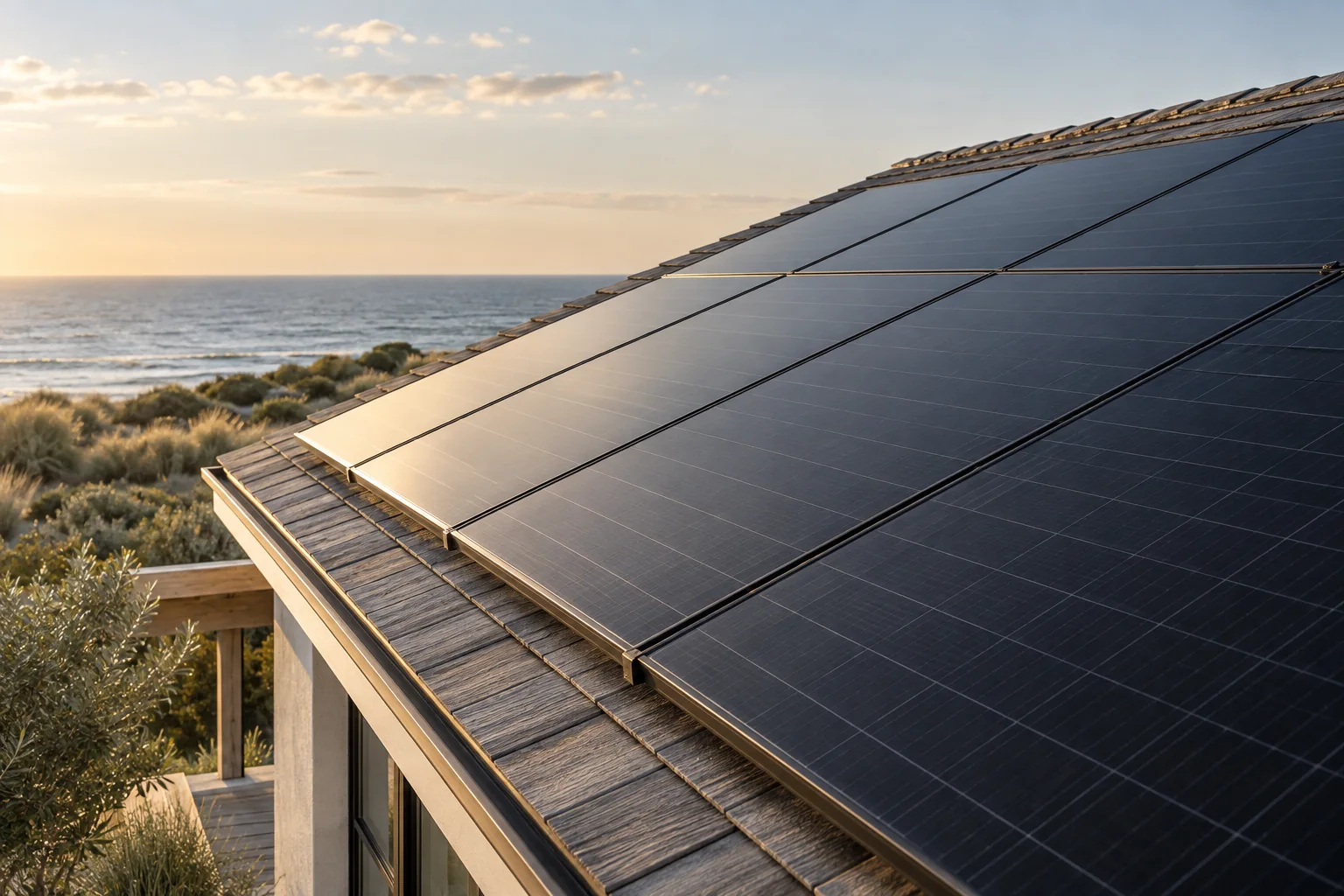
Start with the roof you have
Solar is a long-term addition to your home, so the roof deserves attention first. Ask a qualified professional to assess its condition and remaining life. If roof work is likely soon, it is better to understand that before equipment is installed.
Follow the shade
A roof can look sunny at one moment and still be affected by trees, chimneys, nearby buildings, or other features across the day and year. An assessment should consider the actual site, not just a single photograph.
Leave room for a proper design
Roof shape, access, structural requirements, and local rules can influence where equipment goes. A final design should account for those constraints. More panels are not automatically a better outcome if the placement performs poorly or complicates access.
Tell the full household story
Mention planned renovations, a future electric vehicle, or changes in how you use the home. These do not settle the design by themselves, but they help your provider explain options and tradeoffs that are relevant to you.
Further reading: U.S. Department of Energy: Homeowner’s Guide to Solar. Local rules and individual circumstances vary. This guide is general information, not a quote or financial advice.